

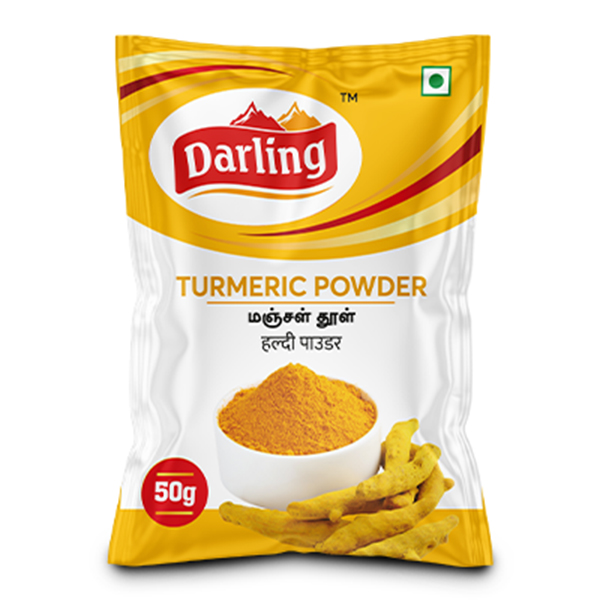
 Pure Spices
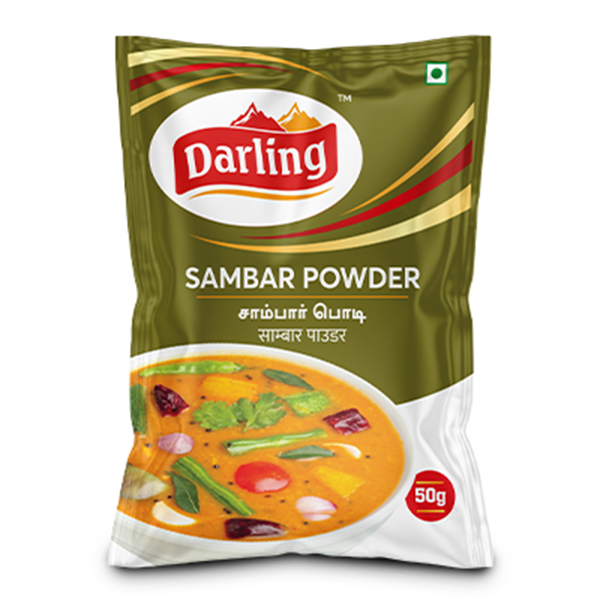 Blended Spices
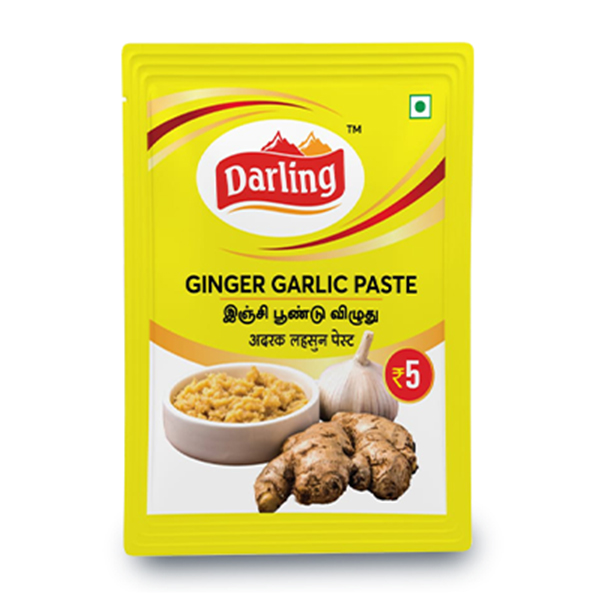 Ginger Garlic Paste
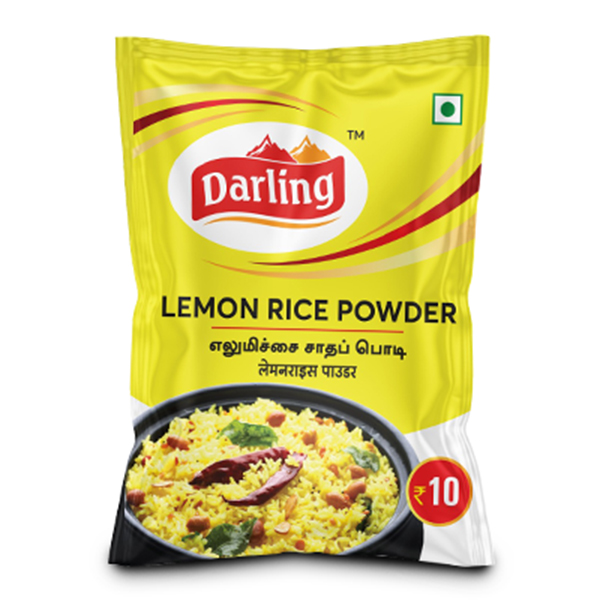 Meal Mix
 Ready Mix
 Pickles
 Asafoetida Powder
 Flour
Flour
 Appalam
 Mixed Jam







Health Benefits
Spices That Boost Immunity: Natural Remedies in Your Kitchen
 By System Admin
9 months ago
By System Admin
9 months ago

When someone in the family starts to sniffle or cough, many South Indian homes reach for the spice box before they reach for a tablet. A simple milagu rasam, a cup of sukku malli kaapi, or a spoon of haldi in hot milk is often the first response. These habits are not magic cures, but there is a sensible reason they have stayed with us for generations.
This blog looks at how everyday South Indian spices can support your body’s natural defenses, how they fit into the broader picture of “natural immunity boosters,” and how to use them safely as part of a balanced lifestyle.
This information is educational and does not replace advice from your doctor or healthcare provider.
How Your Immune System Keeps You Well
Your immune system is not a single organ. It is a network of organs, cells, tissues, and proteins that work together to protect you from viruses, bacteria, and other invaders.
When your body detects something harmful, immune cells release antibodies and signaling molecules. This can cause short-term inflammation, such as a sore throat or mild fever, while your body fights the infection. In most healthy people, the response settles, and the body returns to normal. When the immune system is weak or overworked, infections may linger, and recovery can take longer.
Food plays an important part in all of this. A steady supply of vitamins, minerals, antioxidants, and healthy fats helps immune cells work properly. Nutrients such as vitamin C, vitamin D, zinc, and probiotics are especially important, and a diet built around vegetables, fruits, whole grains, and good-quality protein is strongly encouraged by hospitals and health organizations.
Spices sit inside this wider picture. They are not a shortcut, but they can support your existing routine in a simple, flavorful way.
Why Spices Belong In The Conversation On Natural Immunity Boosters
Spices have been used for centuries in Indian cooking and traditional medicine. Modern research gives some scientific backing to what grandparents have always said.
Laboratory and animal studies show that common spices such as ginger, garlic, and turmeric contain bioactive compounds which can inhibit the growth of certain bacteria and fungi and may influence inflammation in the body.
In another study using essential oils of garlic, ginger, turmeric, and cinnamon in poultry feed, researchers found changes in antioxidant status and inflammatory markers, suggesting these spices may help the body handle oxidative stress and immune challenges in animals.
In simple terms:
- Spices can contribute antioxidants and plant compounds that may support normal immune function.
- They may have mild antimicrobial effects in the gut and respiratory tract.
- They make it easier to eat healthy food because they make meals more enjoyable.
- The rest of your lifestyle still matters. Sleep, physical activity, stress management, and overall diet remain the foundation. Spices are one helpful part of the puzzle.
Ten South Indian Kitchen Spices That Support Your Immune System
South Indian cooking uses a beautiful range of spices every day. The following 10 are especially relevant to immune support. Use them in normal culinary amounts unless your doctor advises otherwise.
1. Black Pepper (Milagu)
Why it matters: Black pepper contains piperine, a compound that enhances the absorption of other nutrients, including curcumin from turmeric. It also has antioxidant and mild antimicrobial properties.
How it may support immunity: By improving the bioavailability of certain plant compounds and adding its own antioxidants, pepper may help the body manage everyday oxidative stress. It is often combined with turmeric in “golden milk” or pepper rasam for this reason.
How to use it:
- Finish rasam, kootu, and poriyal with freshly crushed pepper.
- Add to kashayam with dry ginger and coriander seeds on cooler days.
- Use in marinades for vegetables, paneer, or meat instead of only red chili.
2. Turmeric (Manjal)
Why it matters: Turmeric is widely studied for its active component curcumin, which shows anti-inflammatory and antioxidant effects in experimental studies.
How it may support immunity: Curcumin is being investigated for its ability to modulate immune cell activity and inflammatory signaling. While many claims online are exaggerated, authorities acknowledge that turmeric, used regularly in food, can be a useful part of an immune-supportive diet.
How to use it:
- Temper turmeric in hot oil at the start of making sambar, kuzhambu, or korma.
- Stir a small pinch into buttermilk with salt, jeera, and coriander.
- Prepare turmeric milk with a little black pepper before bed if it suits your stomach.
3. Ginger (Inji / Sukku)
Why it matters: Fresh ginger and dried ginger contain compounds such as gingerol and shogaol, which show anti-inflammatory and antioxidant effects in experimental work.
How it may support immunity: Ginger has traditionally been used to ease nausea, support digestion, and warm the body. Modern articles on immune health highlight ginger in tea for sore throats and colds.
How to use it:
- Add crushed ginger to rasam, pepper rasam, or lemon rasam when someone has a cold.
- Use sukku (dry ginger) in sukku malli kaapi or herbal kashayams during monsoon.
- Grate a little fresh ginger into upma, pongal, or stir-fries for warmth and aroma.
4. Garlic (Poondu)
Why it matters: Garlic releases allicin when chopped or crushed. Allicin and related sulfur compounds have been linked with antimicrobial and immune-modulating effects.
How it may support immunity: Hospital articles often mention garlic as a useful food for immune support and cardiovascular health. Lab studies show garlic extracts can inhibit some bacteria and fungi, although this does not mean garlic replaces antibiotics in serious infections.
How to use it:
- Temper sliced garlic in ghee for rasam, pepper kuzhambu, or vegetable stir-fries.
- Add to podis, chutneys, and thokkus for extra depth.
- Roast whole cloves and add to sambar or mixed vegetable curries.
5. Cumin (Jeera)
Why it matters: Cumin seeds lend a warm, earthy note to South Indian dishes. They contain small amounts of iron and plant compounds with antioxidant activity.
How it may support immunity: Cumin is frequently used in home remedies for digestion. A comfortable gut is important for overall immune function, as a large portion of immune cells sit in the intestinal wall. Health organizations stress the link between gut health, fiber, probiotics, and immunity, and cumin often appears together with these elements in Indian meals.
How to use it:
- Dry roast jeera and crush it into buttermilk, rasam powders, and podis.
- Temper jeera in ghee for jeera rice, poriyal, and kootu.
- Boil jeera water (jeeragam vellam) as a light after-meal drink.
6. Coriander Seeds (Dhaniya)
Why it matters: Coriander seeds and leaves are widely used for their cooling, digestive, and mildly diuretic properties in traditional practice. They also contribute antioxidants and aromatic oils.
How it may support immunity: By supporting digestion, coriander can indirectly help the immune system handle the constant stream of substances passing through the gut. It often appears in spice blends used for fevers and digestive upsets.
How to use it:
- Use generously in sambar, rasam, and kuzhambu powders.
- Prepare a light coriander rasam when the appetite is low.
- Add crushed seeds to kashayams along with dry ginger and pepper.
7. Fenugreek (Vendhayam)
Why it matters: Fenugreek seeds are slightly bitter and are used sparingly, yet they have a long history in Indian kitchens. They contain soluble fiber and plant compounds that have been studied for blood sugar and cholesterol management.
How it may support immunity: Stable blood sugar and good metabolic health are linked with better immune function. Fenugreek’s main role is in supporting metabolism and digestion, which indirectly supports the immune system.
How to use it:
- Add a pinch when tempering for sambar or fish curry.
- Soak overnight and use small quantities of sprouted seeds in salads or upma.
- Roast lightly and use in idli podi or special masala blends.
8. Cloves (Krambu)
Why it matters: Cloves contain eugenol, a compound known for its strong aroma and local analgesic properties. They have been used traditionally for toothache and respiratory discomfort.
How it may support immunity: Because of their antimicrobial and antioxidant activity in experiments, cloves are often included in herbal teas and kashayams for coughs and sore throats. They may help keep the mouth and upper airway less hospitable to certain microbes.
How to use it:
- Add one or two cloves to masala chai along with ginger and cardamom.
- Include in masala rice, vegetable pulao, or biryani.
- Use sparingly in kashayams for seasonal coughs.
9. Cinnamon (Lavangapatta)
Why it matters: Cinnamon offers a gentle sweetness and has been studied for its effects on blood sugar and inflammatory markers. In animal studies, cinnamon essential oil improved antioxidant enzymes and reduced certain pro-inflammatory cytokines.
How it may support immunity: By helping the body handle oxidative stress and inflammation in experimental settings, cinnamon may indirectly support immune function. It also encourages people to reduce sugar in desserts and drinks when used for flavor.
How to use it:
- Simmer a small stick in tea or milk with turmeric and pepper.
- Add to payasam, fruit crumbles, and baked dishes instead of extra sugar.
- Include in spice blends for pulao and mildly sweet gravies.
10. Rasam and Sambar Powders
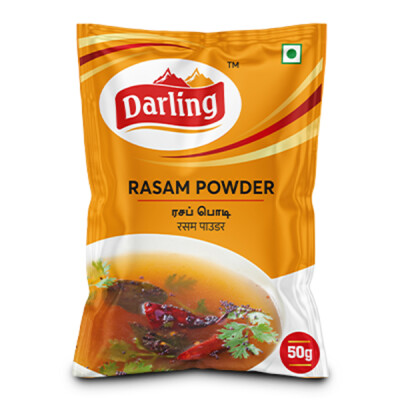
Why they matter: South Indian rasam and sambar powders combine many of the spices above with lentils and sometimes dried chilies. The result is a warming, tangy broth or stew that is easy to digest when a person is tired or unwell.
How they may support immunity: A bowl of hot rasam or a ladle of sambar over rice gives fluid, electrolytes, a little protein, and a mix of spices that stimulate appetite. Hospitals and health articles often stress the importance of simple, nourishing meals rather than heavy, oily food during illness. These dishes fit that advice well.
How to use them:
- Prepare pepper rasam, tomato rasam, or lemon rasam with extra coriander and black pepper when someone has a blocked nose.
- Keep the sambar a little thinner with extra vegetables during a fever.
- Use high-quality rasam and sambar powders so the flavor stays balanced and salt does not become excessive.
Darling Masala: Homestyle Flavor, Every Day
At Darling Masala, we bring the warmth of a home kitchen to your everyday cooking with thoughtfully crafted spices and blends. From pure spice powders to signature mixes, ready-to-use pastes, and accompaniments, each product is created to make authentic flavor simple and dependable. Every batch is designed to deliver the familiar comfort of homemade taste, whether you are preparing a quick weekday meal or a festive family spread. Our range reflects the rich culinary traditions of South India while remaining versatile enough to fit easily into any modern kitchen.
Summing Up
South Indian kitchens already hold many of the natural immunity boosters people search for online. A simple spice box with pepper, turmeric, cumin, coriander, fenugreek, cloves, and cinnamon can help you cook meals that comfort the senses and quietly support your body’s natural defenses.
Used with the proper knowledge, these ingredients link modern science with inherited wisdom. Combine them with fresh vegetables, good sleep, regular movement, and timely medical care, and you give your immune system the steady support it deserves.
FAQs
- Which spice is “best” for immunity in a South Indian kitchen?
There is no single best spice. A combination of pepper, turmeric, ginger, garlic, and cumin, used in everyday dishes like rasam, sambar, and kootu, gives a wider range of plant compounds than relying on only one spice. - How often can I drink pepper rasam or turmeric milk?
For most people, having pepper rasam a few times a week during cooler months and turmeric milk occasionally in the evening is reasonable. If you notice acidity, disturbed sleep, or stomach discomfort, reduce the frequency and discuss it with your doctor if needed. - Are spices enough to keep my immunity strong on their own?
No. Spices can support your immune health, but they work best along with a balanced diet, adequate rest, regular movement, and medical care when you are ill. Natural immunity boosters also include vitamin C-rich fruits, leafy vegetables, probiotic foods, and good hydration. - Is it better to take capsules and supplements instead of using spices in food?
Supplements may be useful if a doctor finds a specific deficiency, for example vitamin D. For most people, using spices generously in home cooking and following a well-planned diet is safer and more sustainable than taking high-dose herbal pills without supervision.