

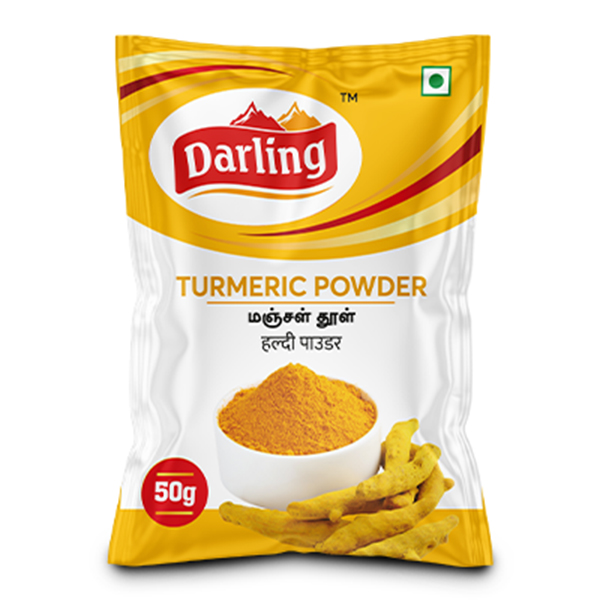
 Pure Spices
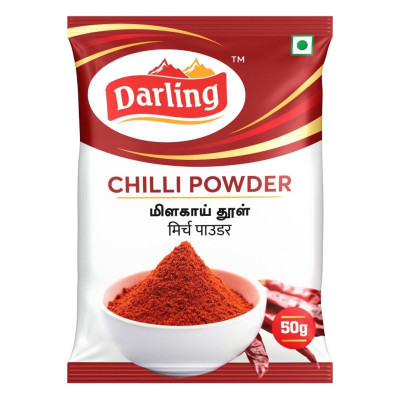
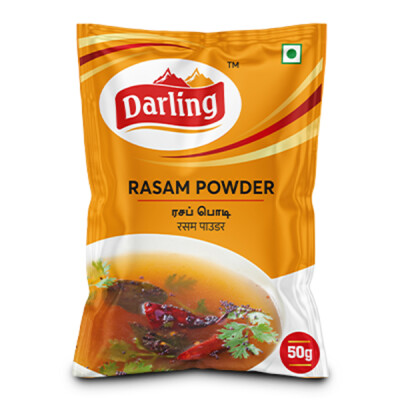
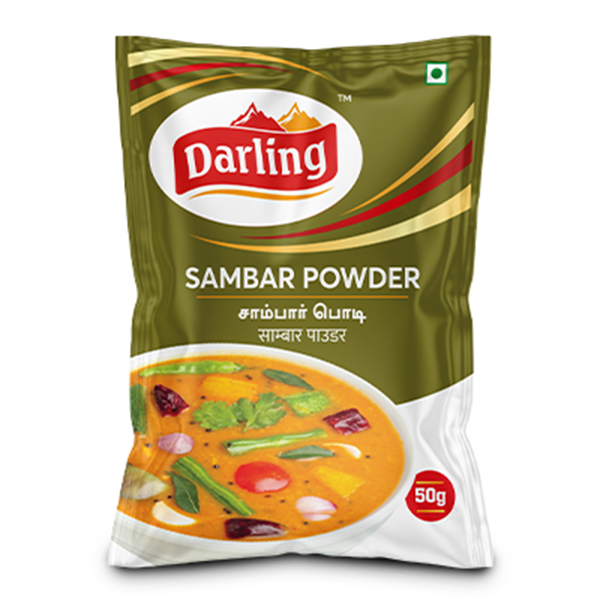 Blended Spices
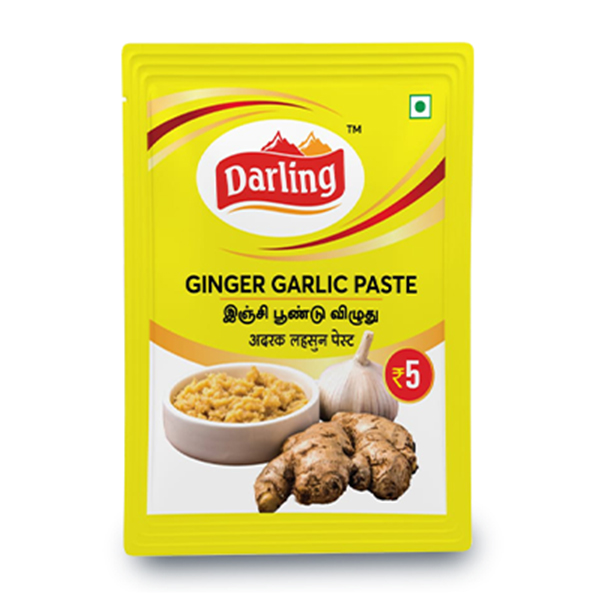 Ginger Garlic Paste
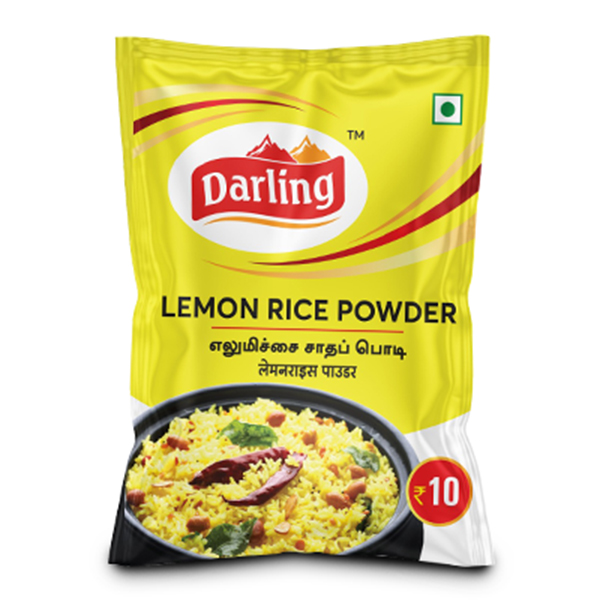 Meal Mix
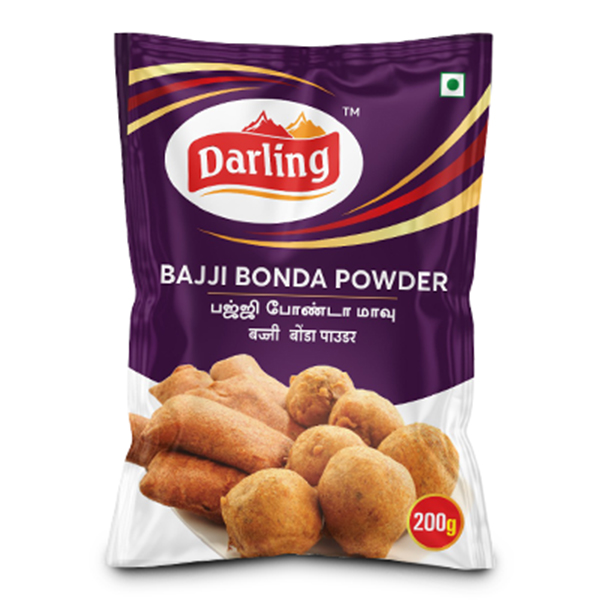 Ready Mix
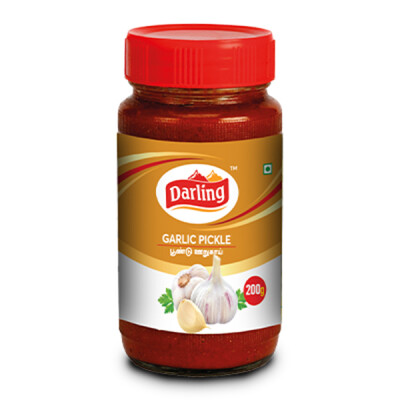
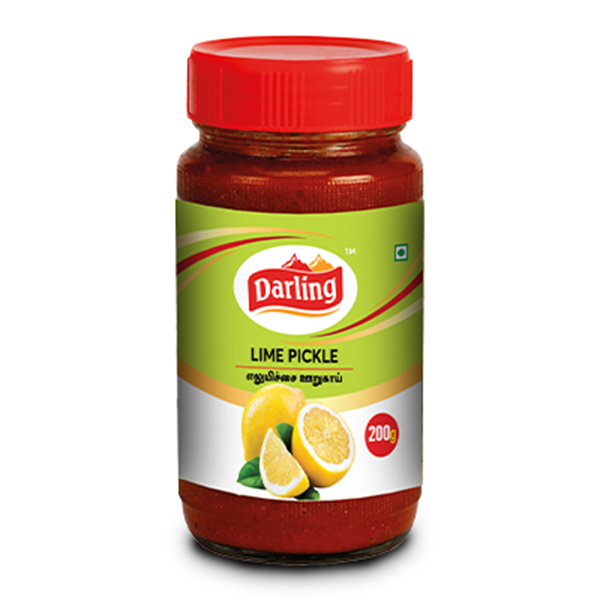 Pickles
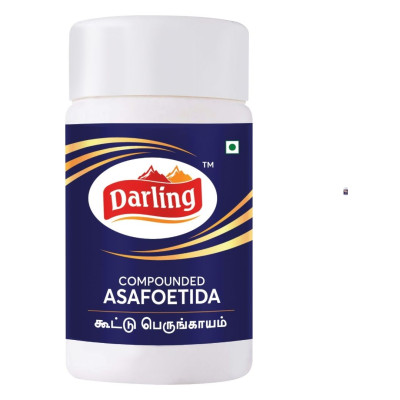
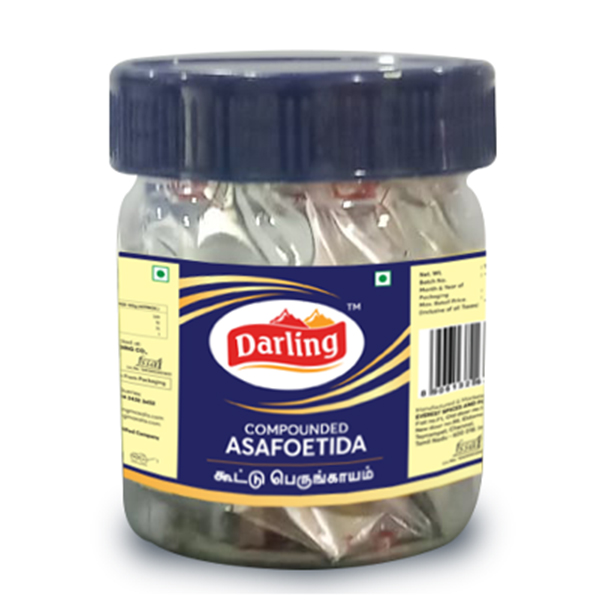 Asafoetida Powder
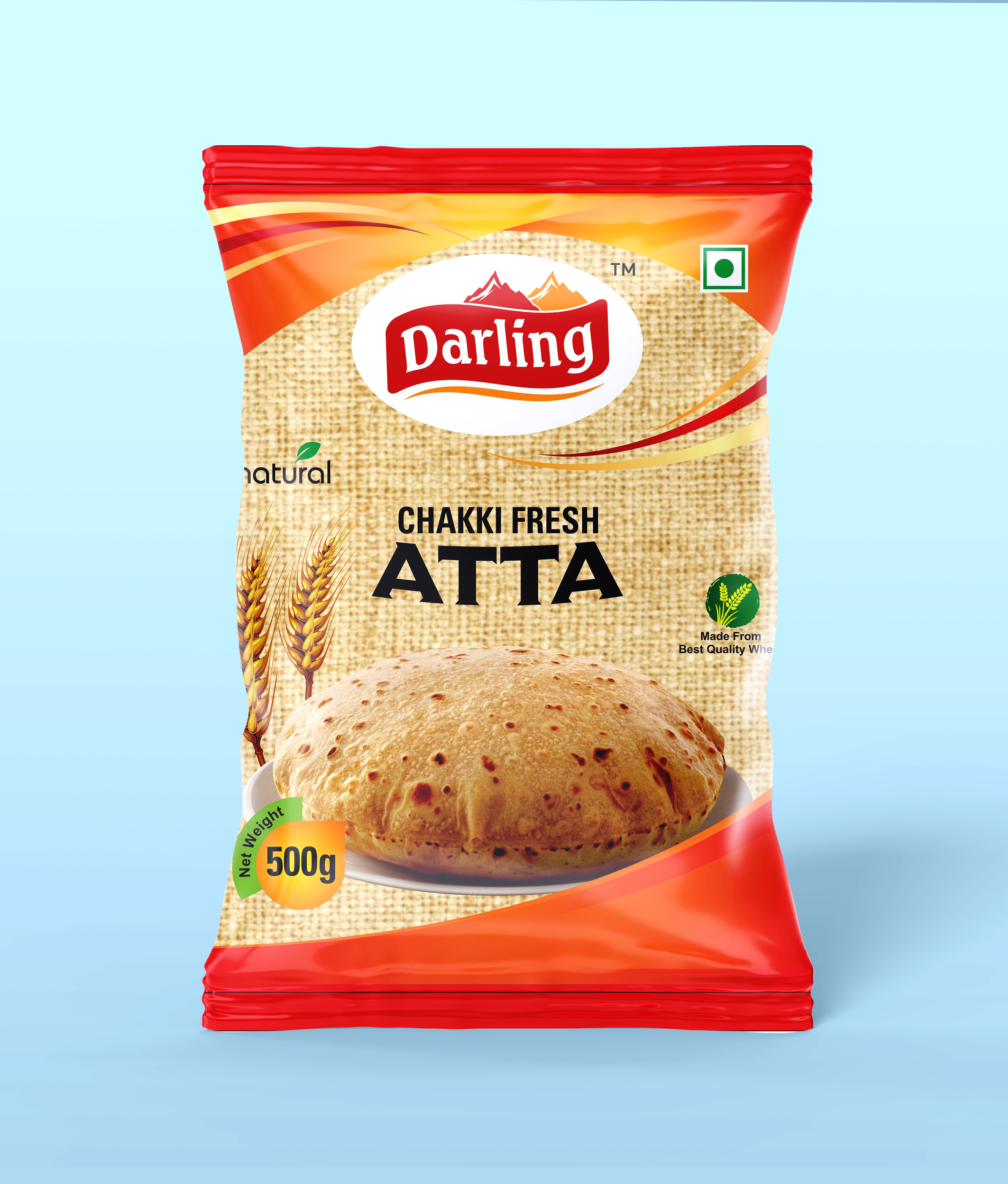 Flour
Flour
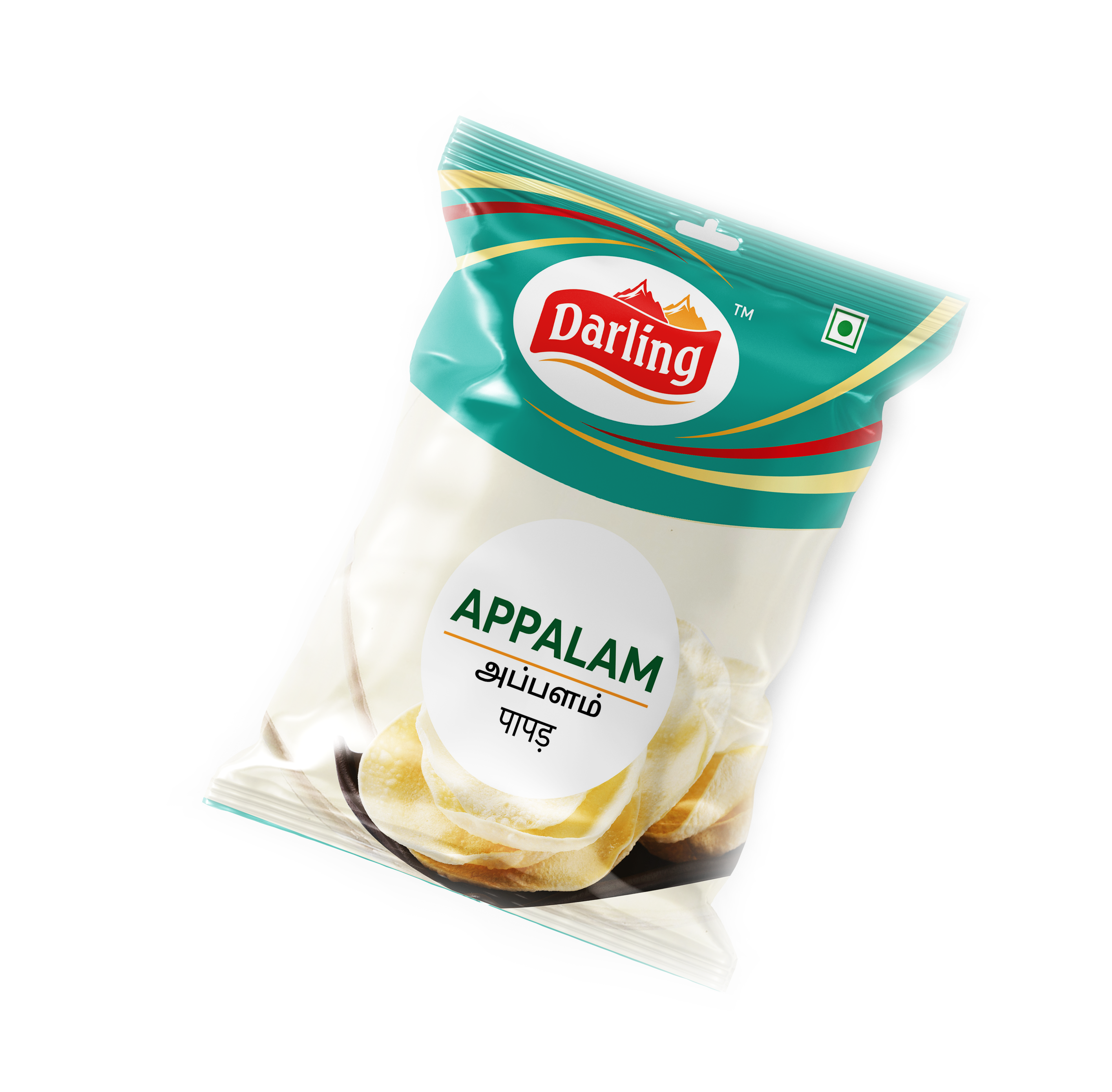 Appalam
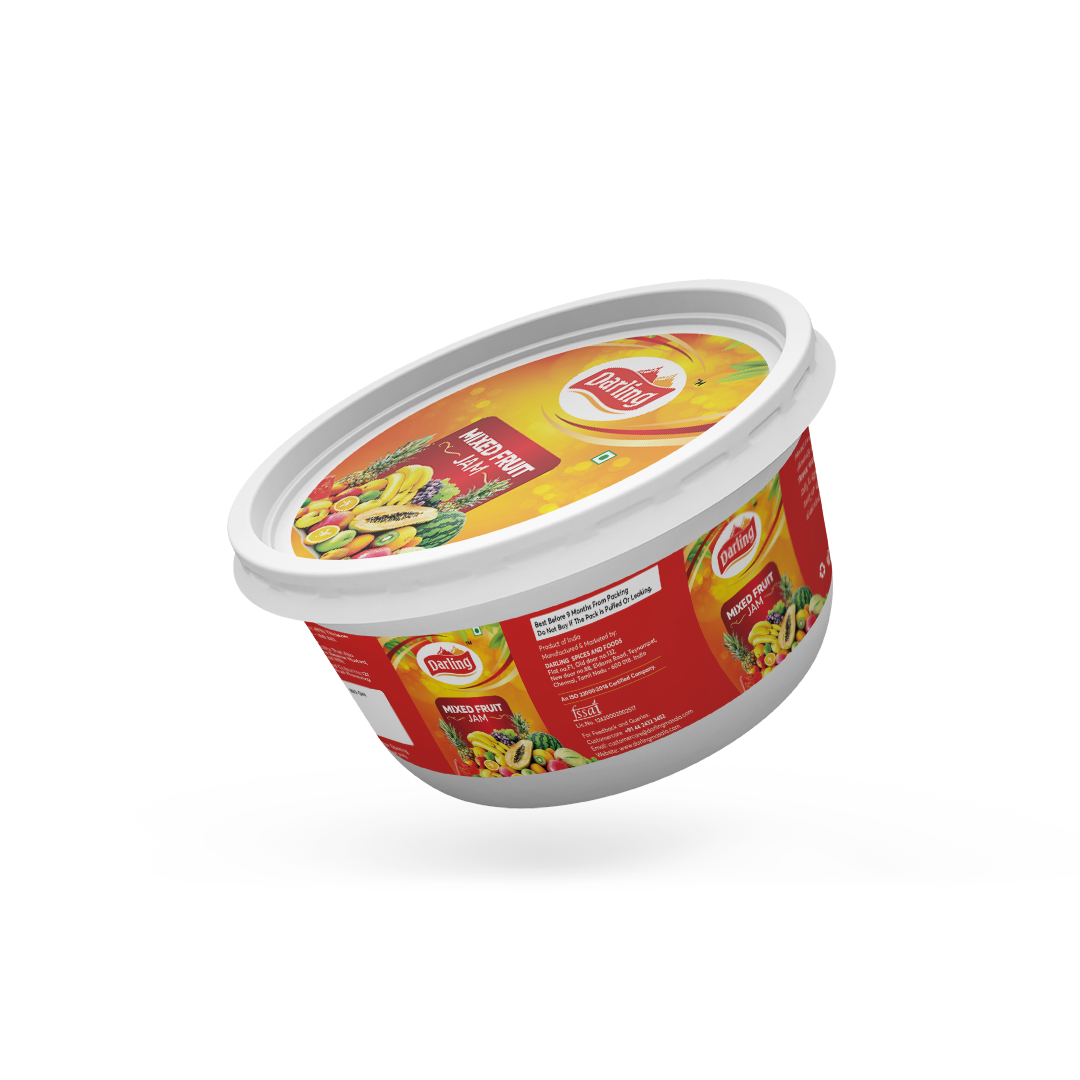 Mixed Jam









Pongal is a festival where meaning sits directly on the plate. It is a harvest thanksgiving, and the food is not just special but symbolic. Freshly harvested rice, milk, jaggery, ghee, turmeric, sugarcane, and seasonal vegetables come together to say: “Thank you for abundance, and may it overflow again.” The ritual pot overflowing is seen as a sign of prosperity, and even the festival’s name, Pongal, refers to "boiling over."
Pongal’s Significance
Pongal celebrates the season's first rice, the sun’s role in agriculture, and the abundance in everyday life. In Tamil tradition, it also welcomes the Tamil month of Thai, seen as an auspicious start. Pongal aligns with the wider all-India solar marker, Makar Sankranti, marking the Sun's transition into Capricorn.
Pongal Dates for 2026
Bhogi: Wednesday, 14 January 2026
Thai Pongal / Makara Sankranti: Thursday, 15 January 2026
Mattu Pongal: Friday, 16 January 2026
Kaanum Pongal: Saturday, 17 January 2026
Pongal Around India
Different regions celebrate Pongal with their unique names and traditions:
Tamil Nadu: Pongal
Andhra Pradesh & Telangana: Sankranthi / Pedda Panduga
Gujarat & Rajasthan: Uttarayan or Uttarayana
Punjab & Haryana: Maghi (Lohri celebrated on the eve)
Assam: Magh Bihu (Bhogali Bihu)
West Bengal: Poush Sankranti
Uttar Pradesh & Bihar: Sakraat (regional variations)
The Staples Behind the Celebration
The same ingredients appear across homes, year after year, for a reason:
Rice: The harvest hero, at the center of the meal.
Milk: Cooked with rice for the ceremonial “boil over” moment symbolizing abundance.
Jaggery: Sweetens the dish and reflects seasonal plenty.
Ghee, Cashews, Raisins, and Cardamom: Transform simple grains into a festive meal.
Sugarcane and Fresh Turmeric: Seasonal markers part of the harvest setting.
The Four Days of Pongal and What to Cook
Many families celebrate Pongal over three or four days:
1. Day 1: Bhogi
Focus on cleaning, renewal, and setting up. Food is simple, with easy-to-make dishes like Sundal and light tiffins.
2. Day 2: Thai Pongal
The main day with the ceremonial dish "Pongal" boiled over as a sign of prosperity. Serve Sakkarai Pongal (sweet) and Ven Pongal (savoury) with sambar, chutney, and vadai.
3. Day 3: Mattu Pongal
Honours cattle with a generous meal and vegetable sides, repeating the Pongal dishes with a fuller lunch spread.
4. Day 4: Kaanum Pongal
A community day with travel-friendly dishes like Lemon Rice, Tamarind Rice, and snack-box items like Murukku and Bajji.
Pongal Shopping List
To cook a traditional Pongal meal, you can shop for the following:
Basics: Raw rice, moong dal, milk, ghee, jaggery, cashews, raisins, cardamom.
Festival Markers: Sugarcane, fresh turmeric, banana leaf, coconut.
Seasonal Vegetables: Plantain, pumpkins, yams, colocasia, broad beans.
Core Pongal Foods and Recipes
Here are the most iconic dishes of Pongal, with a simple method for each.
1. Sakkarai Pongal (Sweet Pongal)
Why it matters: Sweet, rich, and auspicious, Sakkarai Pongal is the offering dish on Thai Pongal.
Ingredients (serves 4):
Raw rice: 1/2 cup
Moong dal: 2 tbsp
Jaggery: 3/4 cup (adjust to taste)
Water: 2 1/2 cups
Ghee: 3 tbsp
Cashews, raisins
Cardamom, a pinch of nutmeg (optional)
Method:
Dry roast moong dal until it smells nutty. Rinse rice and dal together.
Pressure cook rice and dal with water until soft and mashable.
In a pan, melt jaggery with water, strain if needed.
Add cooked rice-dal into the jaggery syrup, mix until glossy.
Stir in ghee, fried cashews, raisins, and cardamom. Let rest before serving.
2. Ven Pongal (Khara Pongal)
Why it matters: A comfort food, typically served with chutney and sambar for a complete breakfast or lunch.
Ingredients (serves 4):
Rice: 1/2 cup
Split yellow moong dal: 1/4 cup
Ghee, cumin, black pepper, ginger, curry leaves
Cashews, salt
Method:
Roast moong dal lightly, then cook rice and dal with extra water until soft.
In a pan, heat ghee, add pepper, cumin, ginger, curry leaves, and cashews.
Pour this tempering over cooked pongal, add salt and mix.
3. Pongal Sambar
Why it matters: A festive pot of sambar with seasonal vegetables balances the richness of Pongal.
Ingredients:
Toor dal (or moong dal), tamarind water
Vegetables like drumstick, pumpkin, brinjal, carrot
Sambar spices, salt, mustard, curry leaves
Method:
Cook dal until soft. Boil vegetables in tamarind water with salt.
Add dal to the pot, simmer, and add sambar spices. Finish with mustard and curry leaves tempering.
4. Coconut Chutney
Why it matters: The cool coconut chutney balances the spice of Ven Pongal and is often kid-friendly.
Ingredients:
Coconut, roasted chana dal (optional), green chili (optional), salt
Tempering: mustard, curry leaves
Method:
Grind coconut with salt and water to a smooth chutney.
Temper mustard and curry leaves, pour over the chutney.
5. Medu Vadai
Why it matters: Fried snacks like Medu Vadai add festive crunch and are a common side during Pongal.
Simple Method:
Soak urad dal, grind thick, and add salt.
Shape vadai and fry until golden. Serve with chutney and sambar.
6. Kaanum Pongal Picnic Rice: Tamarind Rice or Lemon Rice
Why it matters: Travel-friendly rice dishes are perfect for Kaanum Pongal, a day for outings and community time.
Tamarind Rice Method:
Make tamarind paste with jaggery and roasted spice mix.
Temper mustard, curry leaves, and peanuts, then mix into cooled rice.
Lemon Rice Method:
Temper mustard, curry leaves, peanuts, and turmeric. Mix into cooled rice, finish with lemon juice.
The "Quiet" Additions
These are not always labeled as recipes but they complete the cultural picture:
Sugarcane, banana, and coconut are offered.
Seasonal vegetables in poriyal, kootu, or avial-style sides.
Buttermilk or curd to balance a rich lunch.
Conclusion
Pongal food is not just a menu; it is a celebration of the harvest, gratitude, and togetherness. Each dish, from the ceremonial overflowing pot to the comforting Pongal, carries deeper meaning. As the festival moves into Kaanum Pongal, the food becomes shareable and perfect for community time. Whether you keep it traditional or use shortcuts, it’s the time with family and friends that matters most.
FAQs
What are the most traditional foods cooked for Pongal?
Sakkarai Pongal (sweet) and Ven Pongal (savoury), often served with sambar, chutney, and fried sides.
Why is the "boiling over" important?
It symbolizes abundance and prosperity.
Can I keep the Pongal menu simple and still traditional?
Yes, serving sweet or savoury Pongal with one side keeps the tradition intact.
Which seasonal items are commonly bought for Pongal cooking?
Sugarcane, turmeric, banana leaf, coconut, and seasonal vegetables like plantain and pumpkin.